

The short answer is absolutely, yes: Adak Island is worth visiting for travelers ready to experience one of Alaska’s wildest and most remote unforgettable destinations.
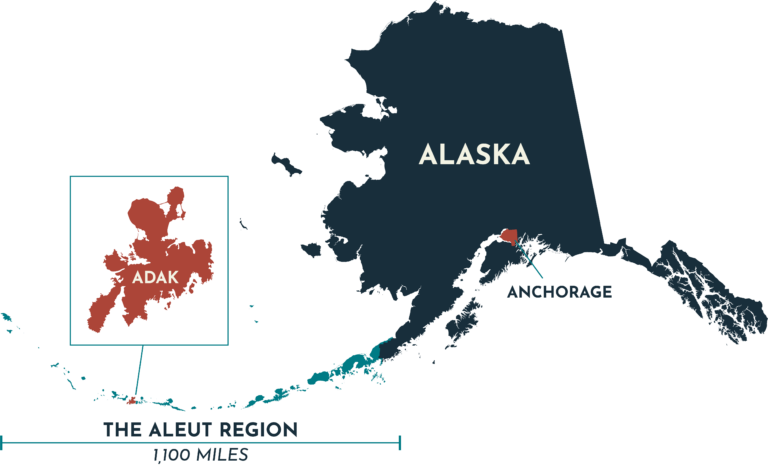
Located nearly 1,200 miles southwest of Anchorage in Alaska’s Aleutian Islands, Adak rewards curious, independent travelers with dramatic landscapes, outdoor adventure, layered history, and a degree of solitude that is increasingly hard to find. It is the kind of place that can make a trip feel less like a standard vacation and more like a true expedition.
That sense of adventure comes with a few important considerations. Travelers looking for luxury accommodations, extensive dining options, guided excursions at every turn, or a highly predictable itinerary may find visiting Adak, Alaska challenging. But for people who come prepared and embrace dynamic weather, limited services, and the freedom to explore, Adak offers an experience unlike anywhere else in the United States.
Adak is not a polished resort destination, and that is precisely the point. It is rugged, remote, occasionally demanding, and deeply rewarding for the right traveler.
What Makes Adak Different from Other Alaska Destinations?
Adak is the westernmost city in the United States and the southernmost city in Alaska. It sits near the western end of the Aleutian chain, nearly equidistant from Seattle and Tokyo. Despite its far-flung location, travelers can reach the island by commercial jet service from Anchorage in approximately three hours.
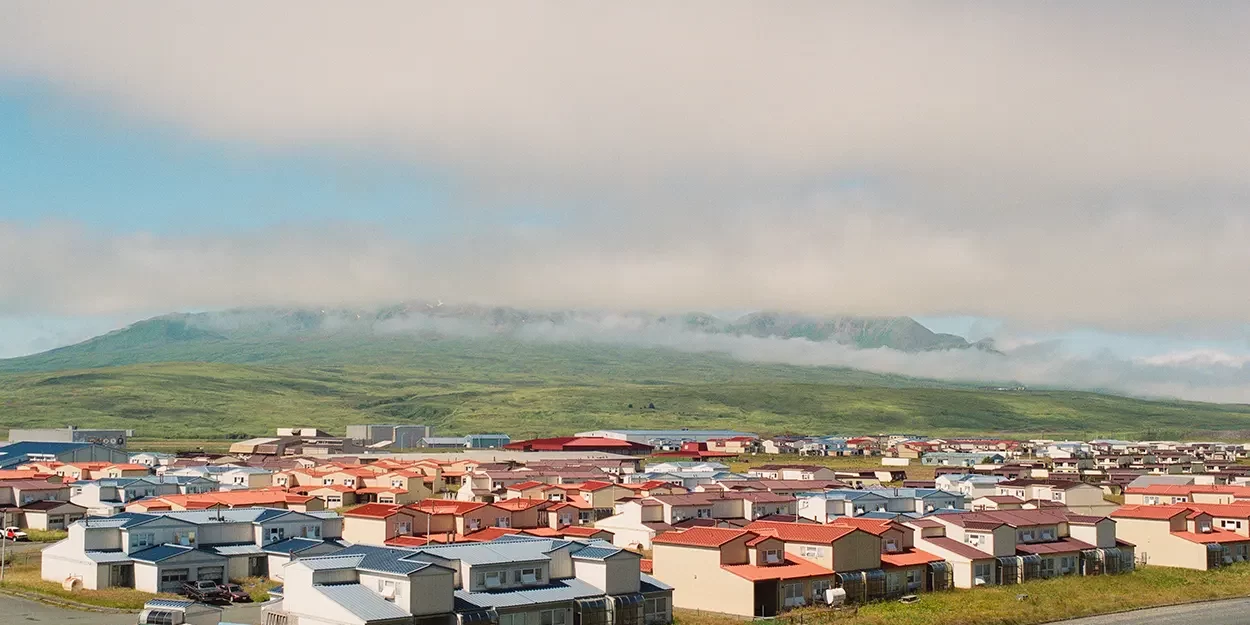
What visitors find after landing is not a conventional Alaska tourism town. Adak has around 27 full-time residents, along with a seasonal population that changes throughout the year. Its present-day community occupies only a small portion of an island once home to a major military installation with thousands of personnel. That contrast gives Adak one of its most distinctive characteristics: a tiny, active community surrounded by enormous landscapes and remnants of infrastructure constructed for a much larger population.
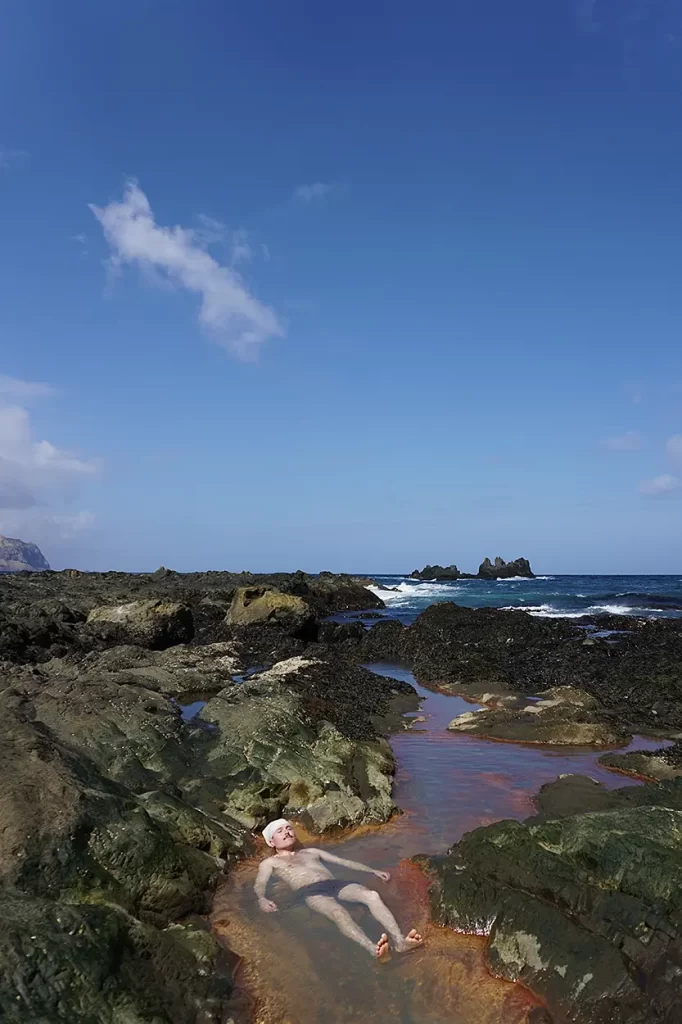
Its natural environment is even more striking: rugged mountains, tundra, freshwater lakes, rocky shorelines, beaches, wetlands, and exposed ridgelines create a landscape shaped by volcanic activity, glacial history, and powerful North Pacific weather systems. Visitors should expect wind, rain, fog, and sudden changes in visibility, sometimes followed by brilliant sunshine during the same day. Adak’s environment does not simply serve as a backdrop for a trip; it actively shapes the experience.
Adak is also culturally and historically significant. The island is part of the ancestral homeland of the Unangax̂ people, whose enduring connection to the Aleutian and Pribilof Islands reaches back thousands of years. The island later became strategically important during World War II and the Cold War. Today, those histories remain visible throughout Adak, and visitors are encouraged to safely and responsibly explore with respect for the land and the people who call the island home, and a Land Use Permit.
Who Will Love Visiting Adak?
Independent travelers
Adak is best suited to travelers who are comfortable making their own plans, adjusting those plans when conditions change, and exploring without constant direction. Although visitors can rent vehicles and outdoor equipment, Adak does not operate like a destination built around daily scheduled tours and packaged luxury attractions.
The reward? Total freedom. You can spend the day hiking to a beach, driving across the island, watching birds along a lagoon, photographing weather rolling across the mountains, or exploring historic sites at your own pace. Travelers who enjoy choosing their own adventure will find no shortage of possibilities.
Outdoor adventurers
Hikers, cyclists, anglers, paddlers, and other outdoor enthusiasts will find Adak especially appealing. The island’s roads and trails reach beaches, lakes, viewpoints, and broad stretches of undeveloped terrain are perfect for exploring.
Conditions can be wet, windy, uneven, and muddy, so sturdy footwear and waterproof layers are essential. Some routes are relatively accessible, while others require greater physical ability and comfort navigating challenging terrain. Travelers should choose activities appropriate for their experience, check conditions, and carry suitable communication and emergency equipment when venturing outside town.
Birdwatchers and wildlife enthusiasts
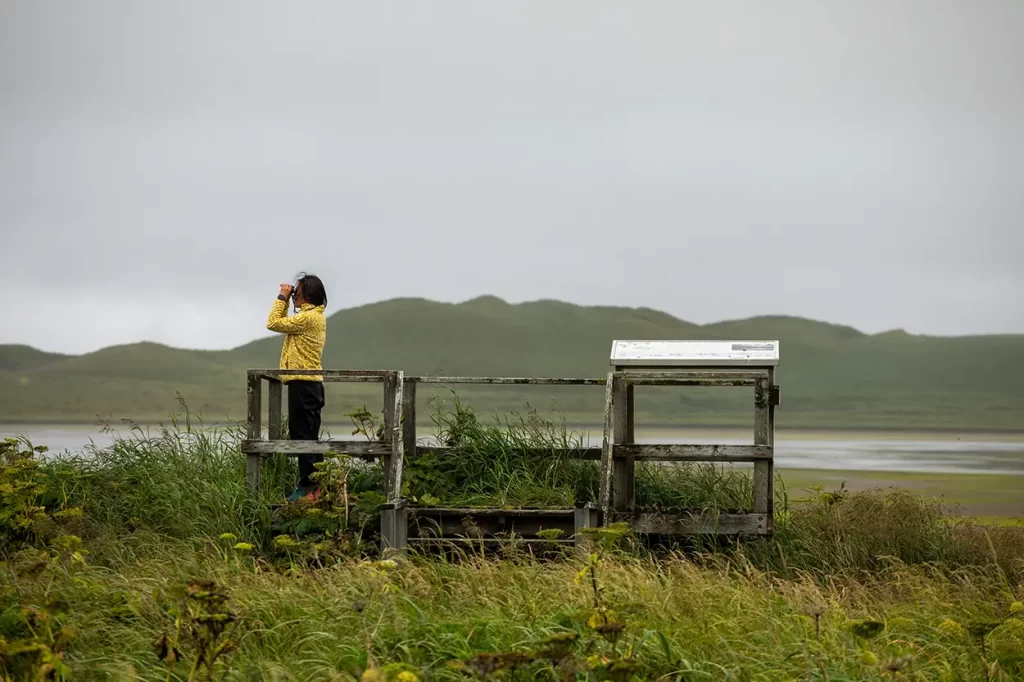
Adak’s position along migratory routes crossing the Pacific Ocean and Bering Sea makes the island a notable destination for birdwatchers. Beaches, wetlands, meadows, mudflats, lakes, and coastal areas support a wide range of shorebirds, waterfowl, seabirds, and songbirds. Some species appearing on Adak are rarely seen elsewhere in North America, making the island especially attractive to serious birders.
Wildlife viewing extends beyond birds. Visitors may encounter caribou, marine mammals, and other animals adapted to the Aleutian environment. More than half of the island forms part of the Alaska Maritime National Wildlife Refuge, one of the largest and most ecologically diverse wildlife refuge systems in the country.
Anglers
Adak offers both freshwater and saltwater fishing opportunities in a setting that feels genuinely removed from the everyday world. Depending on location, season, and applicable regulations, anglers may pursue species such as Dolly Varden, coho salmon, kokanee, halibut, and rockfish.
Fishing gear is available to rent through Adak Island Inn, making the experience more accessible to travelers who do not want to transport all their equipment from Anchorage. Visitors should review current licensing requirements, seasons, limits, land access rules, and weather conditions before heading out.
History enthusiasts and photographers
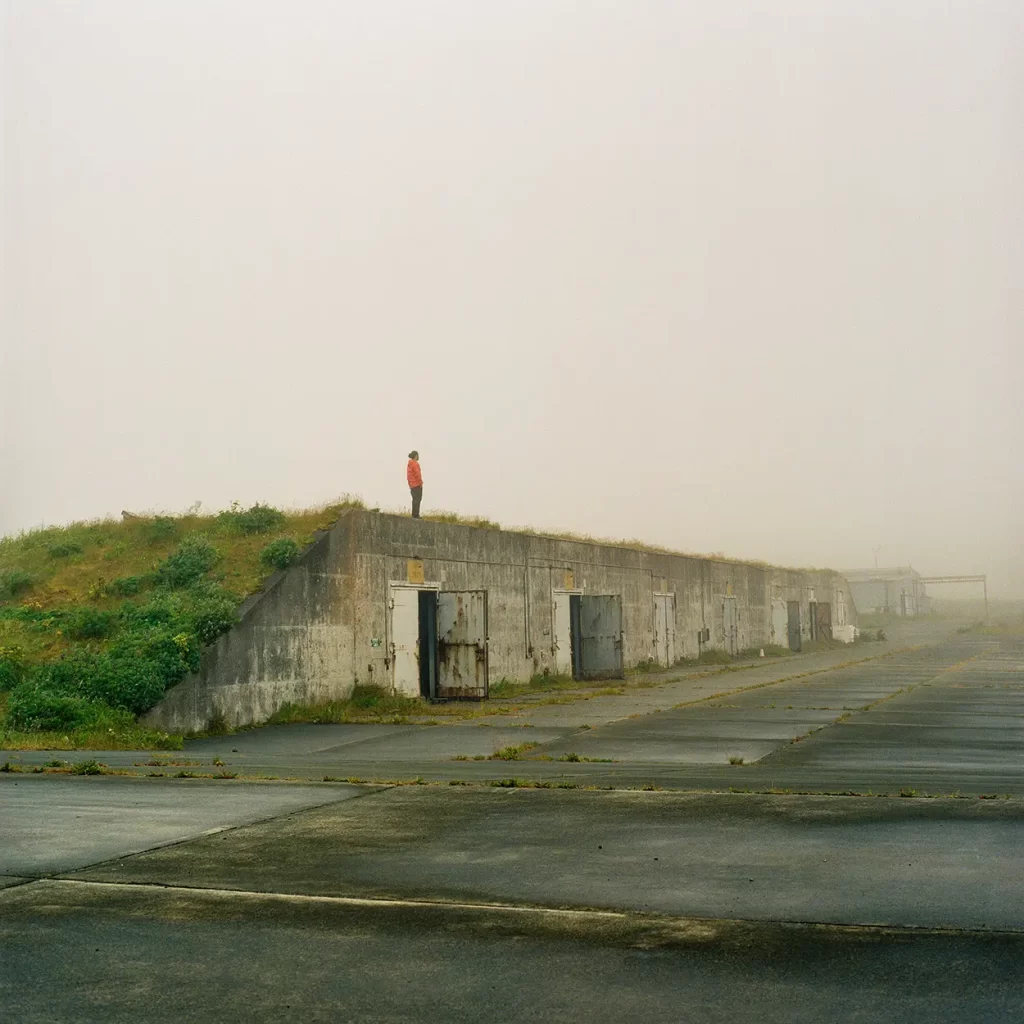
Few Alaska destinations place natural beauty and military history side by side as dramatically as Adak. The U.S. military began developing an airfield on the island in 1942 during the Aleutian Campaign. Adak later served as a strategically important installation during the Cold War before the military mission officially ended in 1997.
Today, historic sites and remaining infrastructure provide a visible reminder of that era. Photographers will find equally compelling subjects in the island’s mountains, lakes, beaches, wildlife, weather, and built environment. Adak’s constantly changing light can transform the same landscape several times in a single day.
Much of the land outside the City of Adak is privately owned by Aleut. Visitors who plan to hike, fish, hunt, camp, or access remote coastlines on Aleut-owned land must obtain a land use permit before traveling. The permit supports responsible access, safety, land stewardship, environmental work, and the protection of Unangax̂ heritage sites.
Who Might Not Enjoy Adak?
Adak may not be a good fit for travelers who expect resort-style service, luxury lodging, extensive shopping, nightlife, or a wide selection of restaurants. Local businesses provide important services for residents and visitors, but hours and availability can be limited. Travelers should bring most of their food, personal items, medications, and outdoor gear with them rather than assume everything will be available after arrival.
Visitors should also understand that Adak travel requires planning and flexibility. Flights operate on a limited twice-weekly schedule, and delays or cancellations remain possible because of weather. Conditions can change quickly enough to alter a hiking, paddling, fishing, or sightseeing plan. Anyone who prefers a tightly controlled itinerary may find that uncertainty frustrating.
Adak may also be challenging for travelers with complex medical or accessibility needs. Local medical services are limited, and the island does not have the specialty care or equipment available in larger communities. Uneven roads, rugged trails, steep terrain, and older infrastructure may create additional accessibility concerns. Travelers should evaluate their individual needs carefully and make appropriate preparations before booking.
What Are the Best Experiences on Adak?


Hiking and exploring
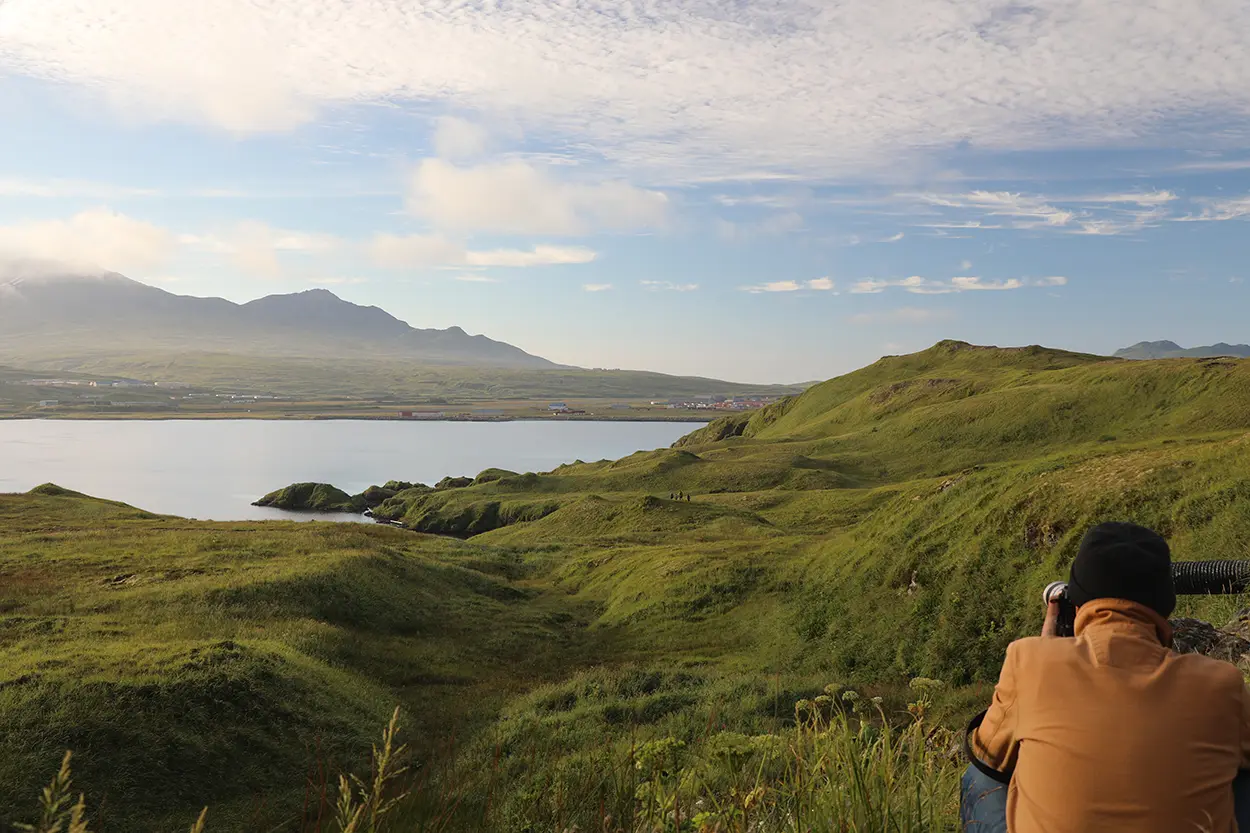
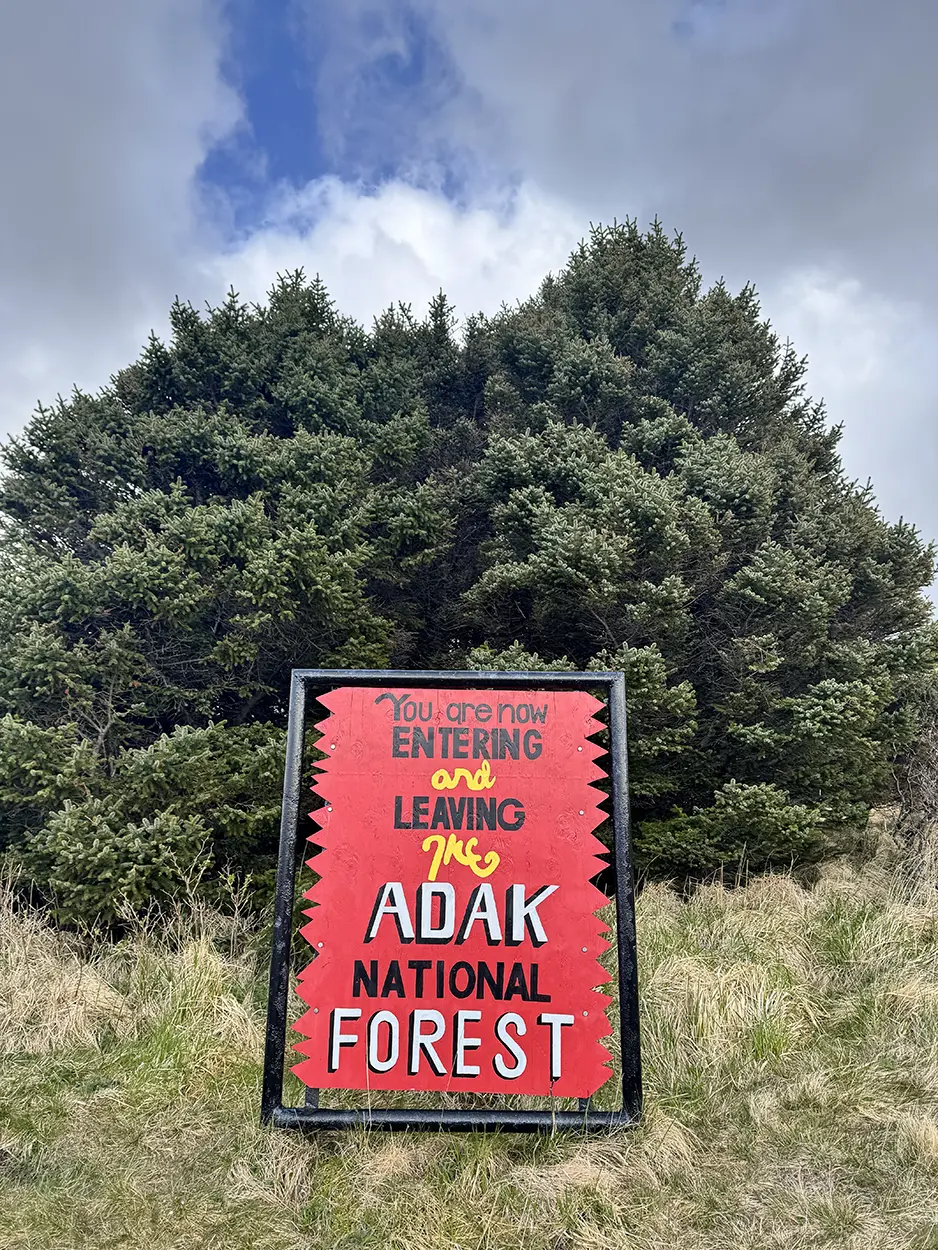
Hiking is one of the best ways to experience Adak’s scale and solitude. Trails and informal routes lead visitors toward beaches, highlands, historic sites, lakes, and panoramic coastal views. Gannet Rocks offers an option close to town, while Horseshoe Bay provides a more challenging route with a steep final descent that requires caution and appropriate equipment.
Even a short walk can feel memorable on Adak. With so few people across such a large landscape, visitors may spend hours outside without encountering another traveler.
Birdwatching and wildlife viewing
Adak’s wetlands, shorelines, lakes, and open landscapes give birdwatchers access to a wide range of habitats. Spring migration can be particularly active, but wildlife observation opportunities exist throughout the travel season.
Visitors should bring binoculars, a camera with a suitable lens, and weather protection for their equipment. Patience is also helpful. On Adak, part of the experience is slowing down and paying attention to subtle movement across a very large landscape.
Fishing
Freshwater lakes and surrounding marine waters give anglers several ways to experience Adak. Andrew Lake is a popular location for fishing as well as hiking and paddling. Visitors traveling farther from town should pay close attention to weather, access requirements, and communication limitations.
Those heading onto Aleut-owned land should secure the necessary land use permit in advance. State fishing licenses and current regulations may also apply depending on the location and activity.
Paddleboarding
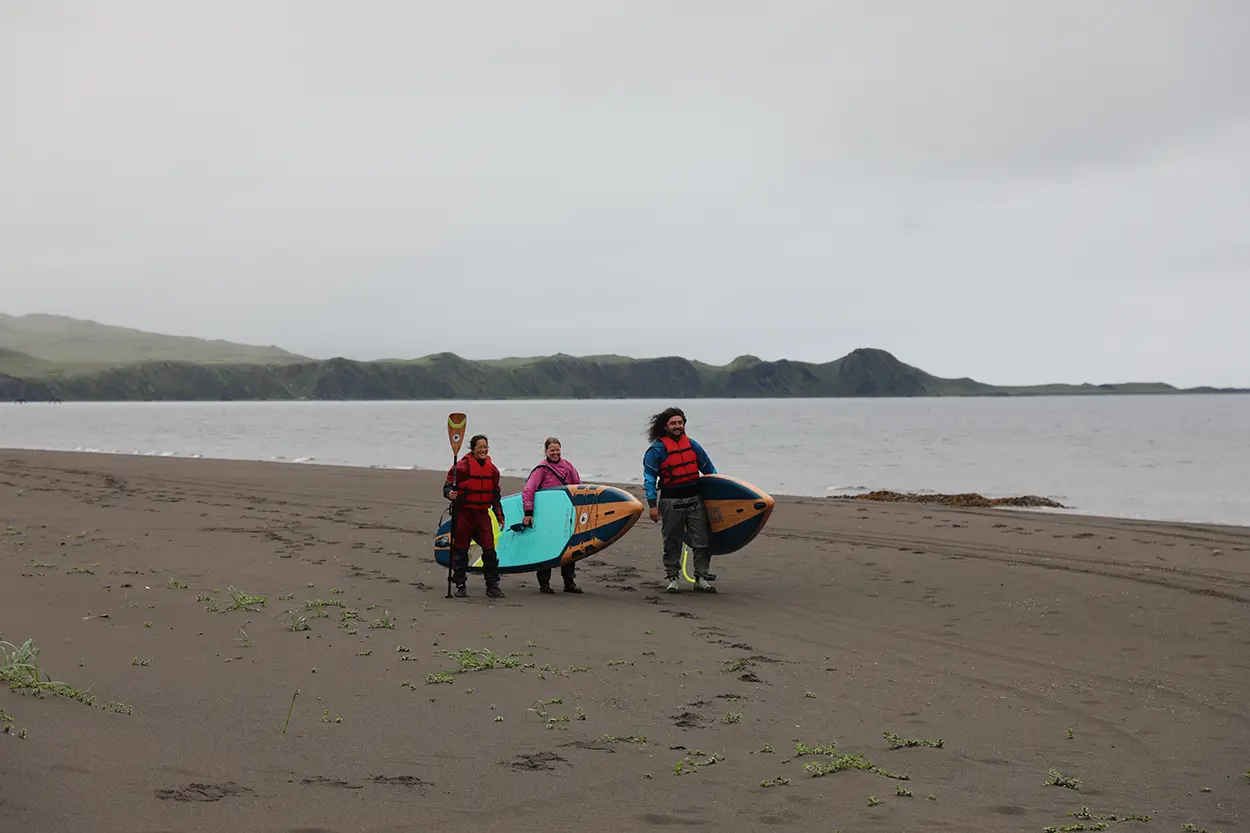
Paddleboarding may not be the first activity that comes to mind when imagining a remote Aleutian island, but Adak’s sheltered lakes, lagoons, and harbors can provide excellent opportunities when conditions allow.
Equipment rentals through Adak Island Inn include a paddleboard, paddle, and personal flotation device. Potential paddling locations include Andrew Lake, Clam Lagoon, and the Small Boat Harbor. Because wind and visibility can change quickly, paddlers should assess conditions carefully and avoid treating calm water as a guarantee of continued calm.
Exploring military history
Adak’s former military infrastructure is one of the island’s most recognizable features. Historic roads, facilities, and sites offer a glimpse into the island’s role during World War II and the Cold War.
Visitors should remember that entry into abandoned or unused buildings, and any buildings on Aleut-land, is prohibited due to extreme safety concerns. The best way to explore Adak’s military history is through designated sites, local maps, established routes, and resources from the Adak Historical Society.
Visitors interested in learning more about the island’s wartime role can read When War Came to Adak.
Why Does Adak Feel Like Another World?
Part of the feeling comes from scale. Adak has infrastructure left from a time when more than 10,000 military personnel and their families lived on the island, but today it has a year-round population of around 27 people. Driving past large buildings, empty neighborhoods, and former military facilities before emerging into a broad, treeless landscape creates a contrast rarely encountered elsewhere.
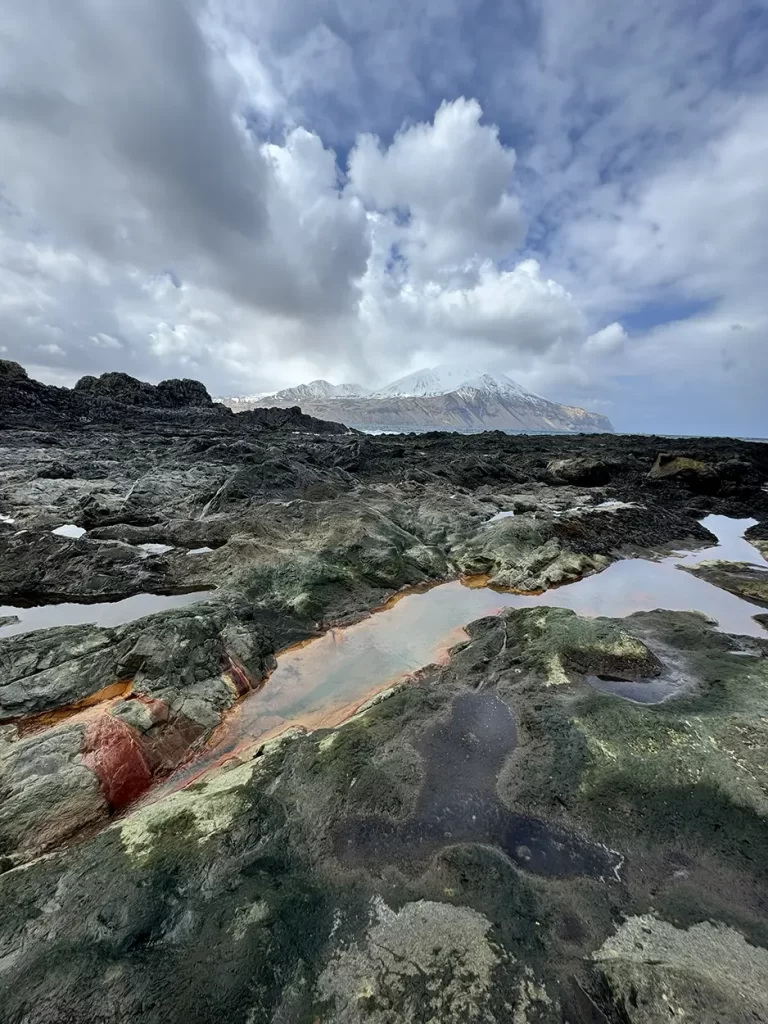
The island’s geography adds to that sense of separation. Adak lies approximately 1,200 miles from Anchorage, surrounded by the Bering Sea and North Pacific Ocean. Mountains rise sharply from low tundra, fog moves through valleys, and strong winds can change the character of the landscape within minutes.
Most of all, Adak feels different because there are so few distractions from the place itself. There are no crowds moving between major attractions and few commercial businesses competing for attention. Instead, visitors notice the weather, water, wildlife, history, and distance. For travelers who are accustomed to busy itineraries, that simplicity can be powerful.
Frequently Asked Questions About Visiting Adak
Is Adak safe to visit?
Yes, Adak can be visited safely when travelers prepare carefully, respect access restrictions, monitor the weather, and choose activities that match their abilities. The island does not have bears or other large land predators typically associated with outdoor travel in Alaska, but Adak presents other risks, including strong wind, cold water, slippery terrain, changing visibility, limited communications, and distance from emergency services.
Travelers going beyond the immediate city area should purchase a land-use permit and carry a satellite communication device such as a satellite phone or personal locator. Visitors should also let someone know where they are going, carry emergency supplies, and avoid entering abandoned buildings or restricted areas.
How many people live in Adak?
Adak has around 27 full-time residents, although the number of people on the island changes as seasonal workers, contractors, and visitors arrive and depart. Most residents live in the Sandy Cove and Kuluk neighborhoods within the former military community.
Despite occasional descriptions of Adak as an abandoned island, it is an active community with residents, businesses, public services, transportation connections, and ongoing revitalization efforts.
Can families visit Adak?
Yes, families can visit Adak, but with a significant asterisk: it is not an easy or appropriate trip for every family.
Parents should consider whether their children are comfortable with changing weather, simple accommodations, limited entertainment options, and outdoor activities that require patience and flexibility. Children should have appropriate waterproof clothing, warm layers, sturdy footwear, and any personal food or supplies they may need.
Families should also understand that medical services are limited and specialty care is not readily available. Parents of young children or children with complex medical, mobility, dietary, or sensory needs should consider those limitations carefully. For adaptable families who already enjoy hiking, wildlife, history, and independent travel, however, Adak can be an unforgettable shared adventure.
How remote is Adak?
Adak is approximately 1,200 miles southwest of Anchorage along the Aleutian chain. Commercial flights from Anchorage take approximately three hours, so reaching the island is relatively straightforward considering its location.
Once travelers arrive, the remoteness becomes more apparent. Shopping, dining, medical care, and transportation options are limited, and commercial flights operate only on certain days. Visitors should bring enough food, medications, toiletries, and essential supplies for the full trip, plus extra in case weather affects their return.
How long should I stay on Adak?
Flight schedules often determine the practical length of a visit, and most travelers must plan to stay at least three nights – although a longer visit provides more flexibility for changing weather and allows time to experience several parts of the island without rushing.
A longer stay also gives visitors a better chance to hike, fish, watch birds, explore historic sites, and enjoy outdoor activities during favorable weather windows. Adak is not a destination that needs to be hurried. Building flexibility into the itinerary generally results in a more relaxed and rewarding trip.
For additional planning guidance, read Exploring Adak, Alaska and When to Visit Adak.
So, Is Adak Island Worth Visiting?
For the right traveler, absolutely.
Adak Island is worth visiting if you want to experience a remote Alaska destination defined by dramatic landscapes, fascinating history, outdoor exploration, and genuine solitude. It is a place for people who can prepare carefully, remain flexible, and appreciate an adventure that does not arrive neatly packaged.
Adak asks more of its visitors than many destinations. In return, it offers an experience that is difficult to replicate anywhere else.
Make Adak Island Inn Your Home Base
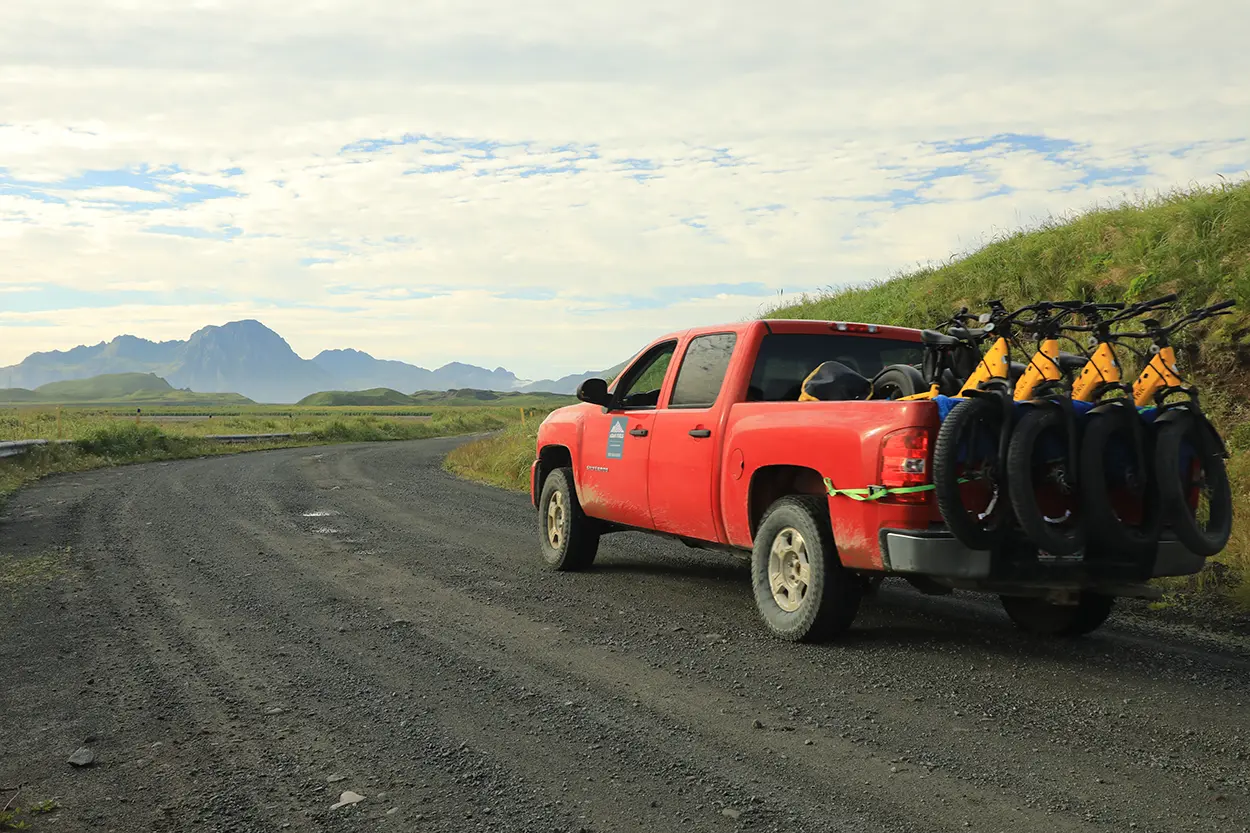
Located in downtown Adak, Adak Island Inn offers fully furnished two-bedroom, two-and-a-half bathroom townhomes with full kitchens, laundry facilities, linens, cookware, and the practical comforts travelers need during a remote Alaska adventure. Guests can also arrange vehicle rentals, airport transportation, and outdoor equipment for activities such as e-biking, fishing, and paddleboarding.
Ready to experience Adak for yourself? Book your stay at Adak Island Inn and start planning your adventure at the wild edge of Alaska.